
Keeping a lush yard healthy is not easy. Homeowners struggle with it. They call it one of their biggest challenges. By conventional landscaping practices, a huge portion of the environment is degraded. Millions of pounds of fertilizers and pesticides are poured on residential landscaping every year. These substances pollute the waterways and poison pollinators. This is why eco-friendly tree care has become the need of the hour. Consider it as not just a trend- but a responsibility.
Explore sustainable landscaping practices in this guide to protect your trees and enrich your soil by reducing your carbon footprint. By adopting greener methods, you will make your spaces better to live in.
Why opt for Eco-Friendly Tree Care
Trees are the abode of our homes. They purify air and provide us with shade. From contributing to the biodiversity and managing stormwater, they provide us with unlimited benefits. But how we maintain them determines whether these benefits last. Sustainable tree maintenance avoids short-term fixes. They harm ecosystems instead of just focusing on natural soil health. One can replace synthetic inputs with organic solutions to reduce water waste and plant native plants, thereby resulting in healthier trees and a greener community.
Smart Watering for Sustainability
Water scarcity is a growing concern. The main culprit behind this is careless irrigation. Traditional sprinklers tend to waste water through runoff and evaporation. Deep-root watering is recommended as a sustainable alternative. If you use drip irrigation systems, water will reach directly to the root zone. Roots will grow much stronger, thereby reducing water loss. To conserve resources, water early in the morning or evening can help. Plant drought-tolerant trees instead. They require less irrigation in the long run.
Mulching– A natural Way to protect soil
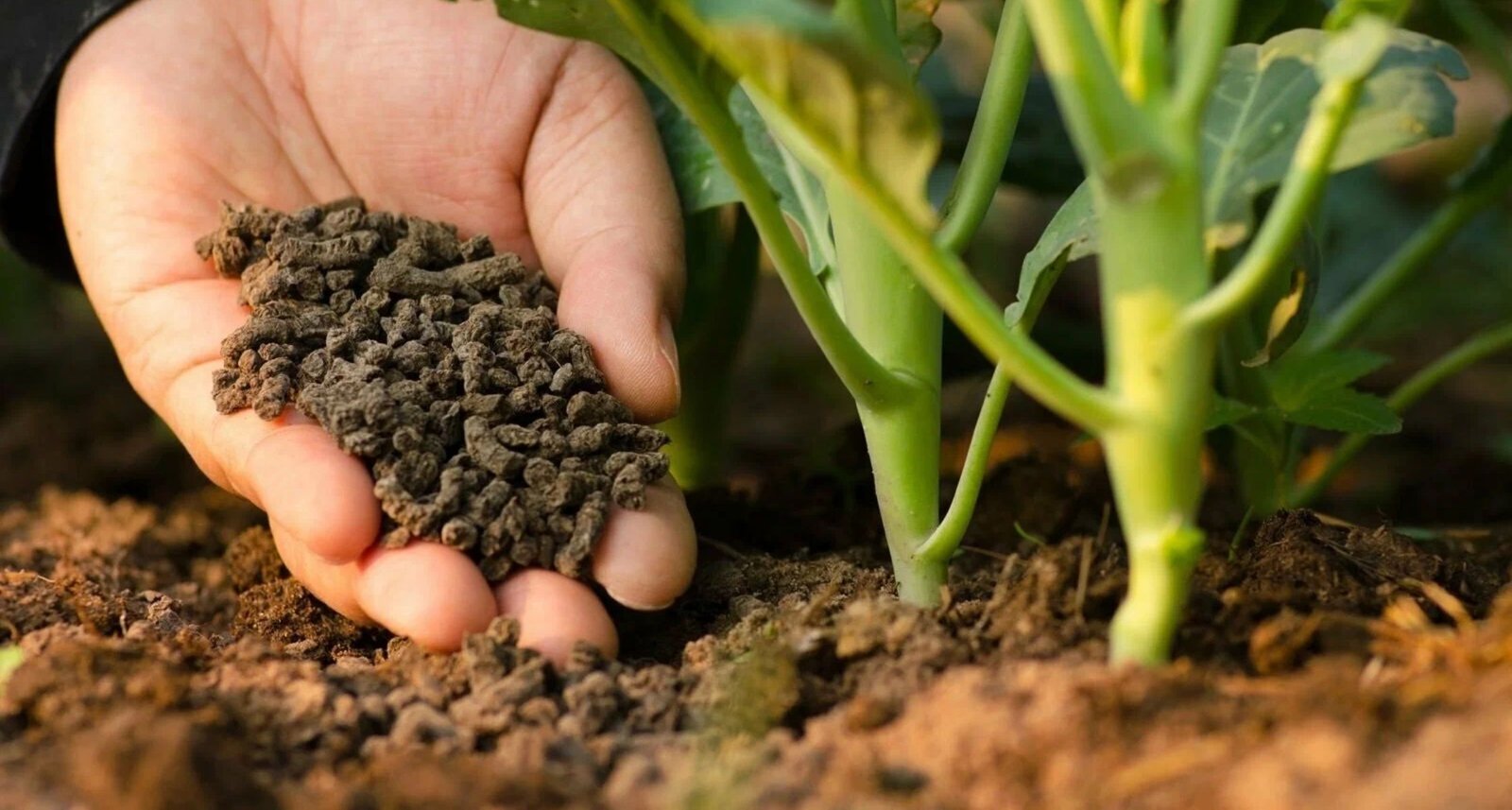
One of the best green landscaping practices is mulching. A 2-4 inch layer of organic mulch helps in many ways:
- To retain soil moisture
- Regulate soil temperature
- Prevent weed growth
- Improve soil structure through decomposition
Apply on the base of the tree to see the magic. Avoid stacking it against the trunk to prevent rotting. In this way, over the years, the soil will also get detoxified from its artificial fertilizers as mulching adds nutrients.
Organic Fertilizers for Healthier Trees
Synthetic fertilizers do offer a quick boost. But at the same time, they degrade soil quality and leach into water supplies. Try organic fertilization techniques to make your soil fertile and increase resistance against diseases. For example:
- Compost or compost tea to increase microbial activity
- Aged manure to balance nutrition
- Natural amendments like bone meal or fish emulsion
All these options support sustainable gardening ecosystems.
Eco-Conscious Pruning Practices
Pruning is vital for safety and aesthetics. But excessive cutting makes trees weaker. To preserve trees, adopt an eco-friendly pruning strategy:
- Get rid of only dead and hazardous branches
- Using sanitized and sharp tools for clean cuts
- Avoid harmful practices like topping
- Prune in dormant seasons to reduce stress
Natural Pest and Disease Management
Chemical pesticides are very hazardous to pollinators and other beneficial insects, as these are also the main contributors to the overall quality of the soil. Therefore, the use of integrated pest management (IPM) should be one’s point of focus as it deals with both prevention and balance.
- Attract ladybugs and other beneficial insects for aphid control.
- Replace harmful sprays with neem oil or insecticidal soaps.
- Native plantings will aid pollinators and biodiversity.
Value of Native and Climate-Adapted Trees
The core of sustainable landscaping is selecting trees. Most non-indigenous trees are more dependent on fertilizers and water than native species that are conditioned to the environmental soil and climatic factors.
The benefits of native trees are as follows:
- Reduced the need for water and fertilizers.
- Resistance by nature to local pests.
- Home to birds and butterflies.
Plant one and the yard begins to manage itself.
Soil Health: The Foundation of Green Landscapes
Healthy soil means a living soil. Beneficial microorganisms get destroyed, thereby leading to weak trees. To restore vitality:
- Aerate soil. This improves root oxygen flow.
- Add compost or leaf litter for organic matter
- Avoid vehicle or heavy foot traffic near tree bases
When soil thrives, trees require fewer external inputs. This helps to make your tree care methods even more sustainable.
Reducing Carbon Footprint in Tree Care
Every action counts. Gas-powered blowers and mowers release toxic gases. Switch to electric or battery-powered tools. This will help to reduce both pollution and emissions.
Practices include:
- Composting yard waste instead of burning
- Reusing pruned wood as mulch or garden décor
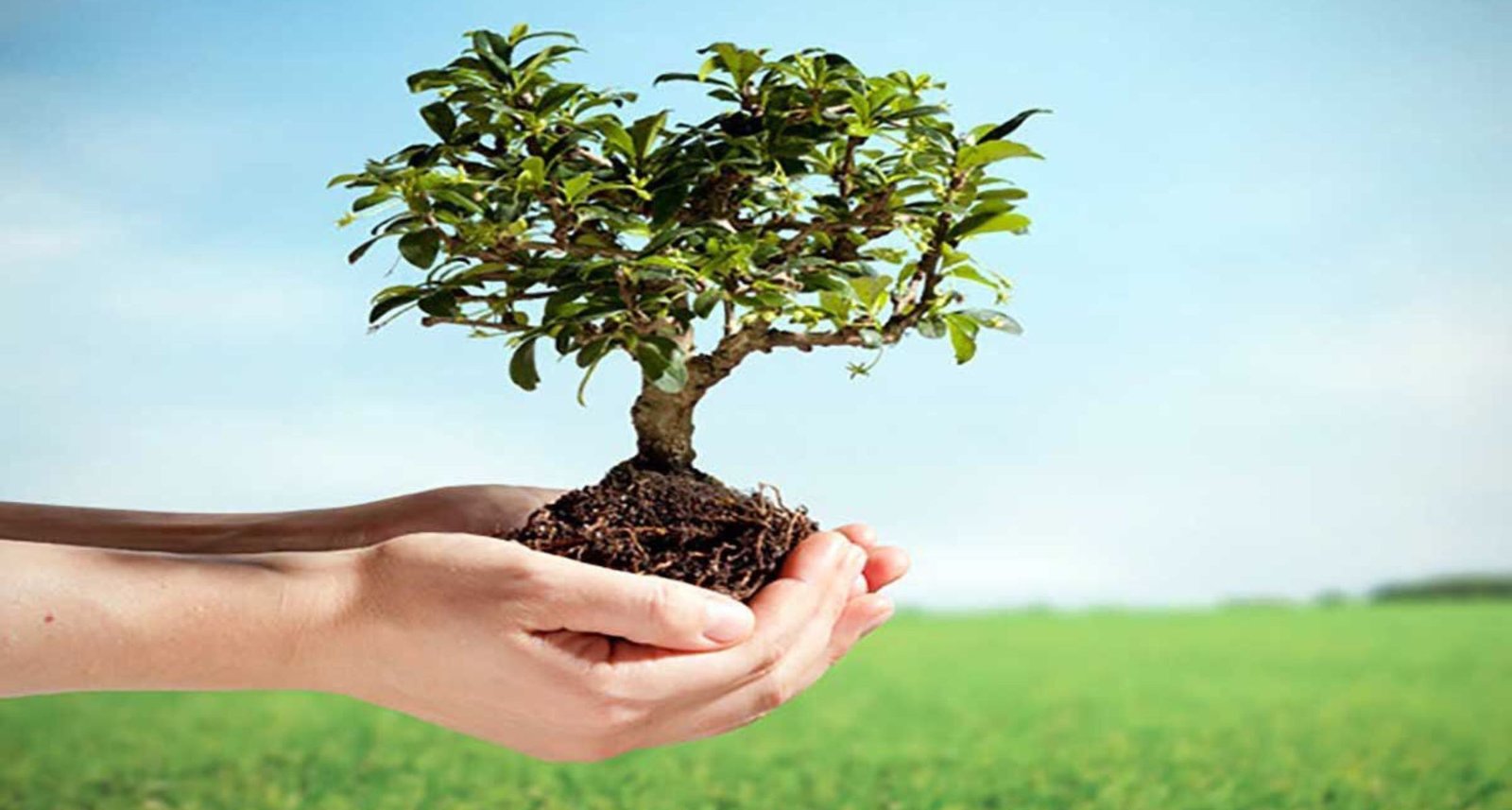
- Planting more trees to absorb CO₂
Repurposing and Recycling Tree Waste
Tree care is not just about the growth of your trees. But it is also about waste management. Opt for eco-friendly disposal methods instead of just hauling branches and leaves.
Branches can be chipped into mulch. Logs can be repurposed into firewood or for garden seating. Leaves? They can be composted. This keeps nutrients within your yard and even reduces labor related to waste management. It is a practical way to maintain a greener property in a budget-friendly way.
Encouraging Biodiversity
A landscape is not concerned with only trees. But it is concerned with everything within the ecosystem. You can create layers of habitat for birds and beneficial insects by incorporating wildflowers and groundcovers with trees,
This biodiversity supports local wildlife and makes your trees strong. A yard full of different plants breaks pest cycles. The pest never finds a solid block of its favorite food. The mix of plants keeps numbers low and steady. Embrace this eco-friendly landscaping approach to create a balanced system.
Conclusion
Today, being eco-friendly in tree care is not only a gardening technique. It is a promise to build a healthier Earth. Mulching, conserving water, and enriching the soil are ways you can reduce environmental impact and footprint.
Want professional guidance to build an outdoor space of healthy greens? Hire our sustainable experts at NYC Discount Tree Experts. We are here to make your properties thrive! Our arborists help homeowners choose organic solutions and plant native species to create a landscape that thrives naturally.