Many homeowners only think about tree care when a branch falls or a tree becomes a safety hazard. However, waiting until problems develop often leads to expensive repairs and emergency services. Regular tree maintenance is a proactive investment that keeps your trees healthy, protects your property, and helps you avoid unnecessary costs over time.
Small Problems Are Less Expensive to Fix
Trees often show early warning signs before major issues develop. Dead branches, minor diseases, or small structural defects are usually much easier and less expensive to address than emergency tree removal after a storm.
Routine maintenance allows professionals to identify these issues before they become serious.
Prevent Costly Property Damage
Overgrown or weakened trees can cause significant damage if they fail during high winds or heavy snow. Falling branches may damage:
- Roofs
- Windows
- Vehicles
- Fences
- Decks
- Outdoor equipment
Regular pruning removes hazardous limbs before they become a threat, reducing the risk of expensive repairs.
Improve Tree Health
Healthy trees are naturally more resistant to insects, diseases, and severe weather. Professional maintenance helps remove dead or diseased branches while improving airflow and sunlight throughout the canopy.
Healthier trees often require fewer costly treatments in the future and can live much longer than neglected trees.
Reduce Emergency Tree Removal
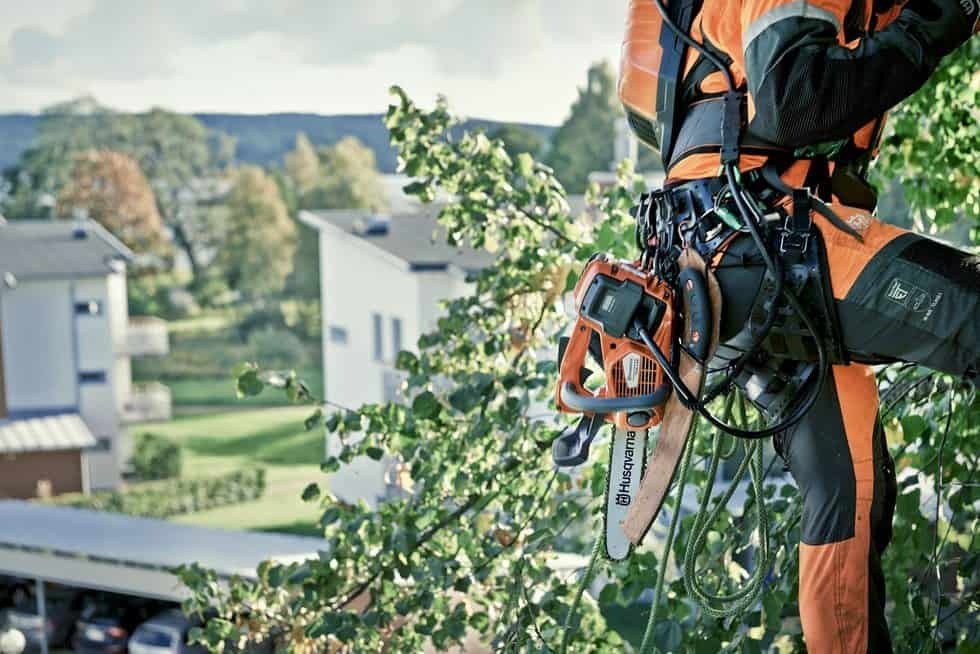
Emergency tree removal is usually more expensive than scheduled maintenance because it often requires immediate response, specialized equipment, and additional labor.
By scheduling routine inspections, homeowners can identify hazardous trees early and plan maintenance before an emergency occurs.
Protect Your Landscape Investment
Mature trees add beauty, shade, and value to your property. Replacing a large tree can take decades, making preservation an important part of landscape management.
Professional tree care helps protect this investment by extending the lifespan of healthy trees whenever possible.
Prevent Pest and Disease Problems
Dead wood and unhealthy trees attract insects such as termites, carpenter ants, and wood-boring beetles. Fungal diseases can also spread from one tree to another if left untreated.
Routine inspections allow professionals to detect and treat these problems before they affect the rest of your landscape.
Increase Property Value
A well-maintained landscape creates a positive first impression for visitors and potential buyers. Healthy, properly pruned trees improve curb appeal and make outdoor spaces more attractive.
Properties with healthy trees often stand out in competitive real estate markets because they require less immediate maintenance.
Maintain Safe Outdoor Spaces
Tree branches hanging over driveways, sidewalks, or patios create unnecessary safety hazards. Regular trimming helps keep outdoor areas safe for family members, guests, and neighbors while reducing the chance of injuries caused by falling limbs.
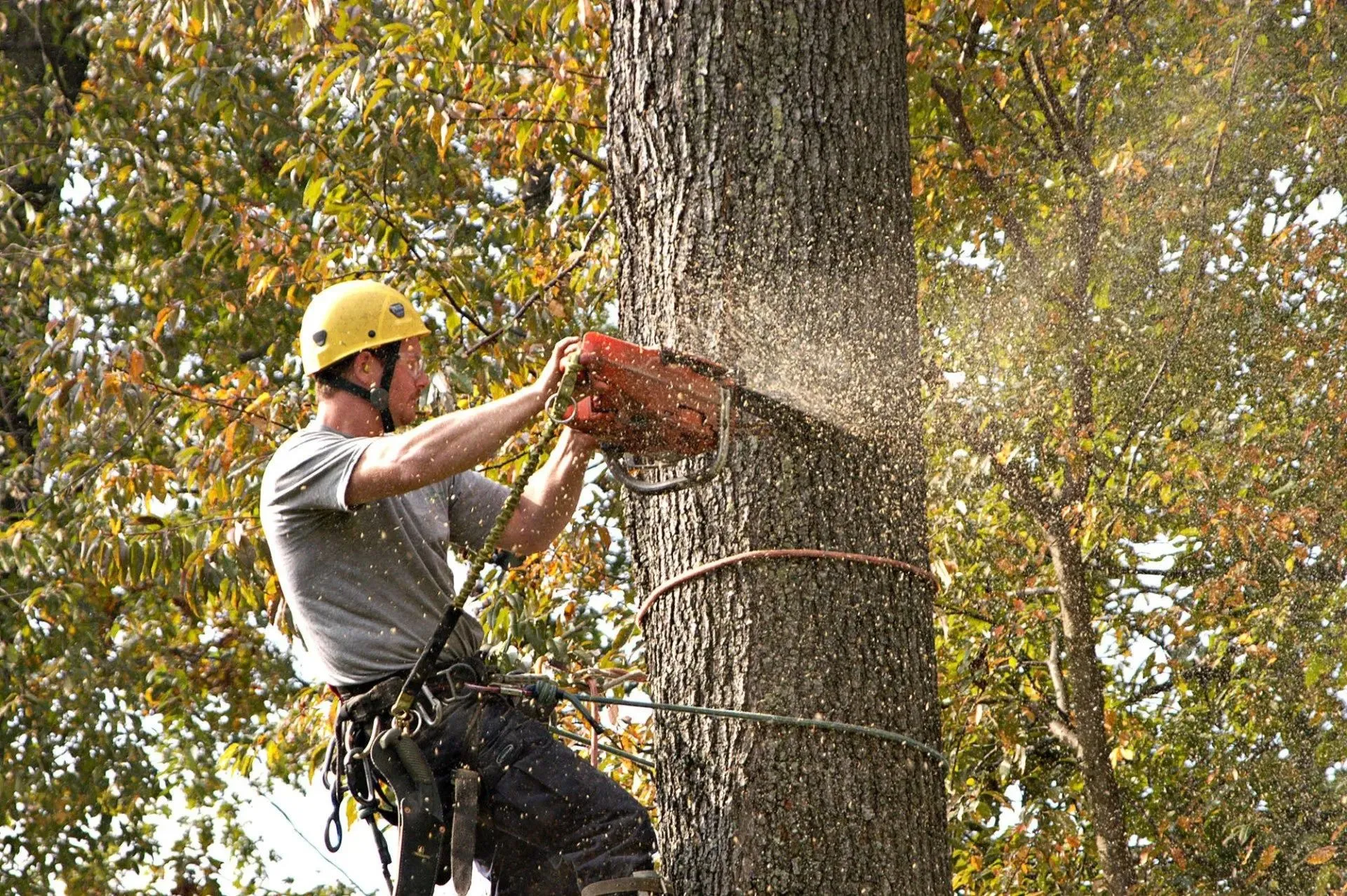
What Should Regular Tree Maintenance Include?
A complete tree maintenance plan may include:
- Annual tree inspections
- Tree pruning
- Tree trimming
- Removal of dead branches
- Disease and pest evaluations
- Storm damage assessments
- Recommendations for long-term tree health
These services work together to prevent future problems while keeping your landscape in excellent condition.
Conclusion
Regular tree maintenance is one of the most cost-effective ways to protect your property and preserve the health of your landscape. By addressing small issues before they become major problems, homeowners can reduce emergency repair costs, prevent property damage, and extend the life of their trees. Investing in routine professional tree care today can save both time and money while ensuring your property remains safe, attractive, and well-maintained throughout the year.