Trees provide shade, beauty, and environmental benefits, but not every tree can remain safe forever. Age, disease, storm damage, and structural problems can turn a once-healthy tree into a serious hazard. Recognizing the warning signs early can help homeowners avoid costly property damage and protect their families. If you notice any of the following issues, it’s time to have your tree evaluated by a professional.
1. The Tree Is Leaning Suddenly
A tree that has always grown straight but suddenly begins leaning may have suffered root damage or structural failure. This is especially dangerous after heavy rain or storms, as weakened roots may no longer support the tree properly.
2. Large Dead Branches
Dead branches hanging high in the canopy can fall without warning. These limbs become brittle over time and are more likely to break during windy weather, creating a safety hazard for people and property.
3. Deep Cracks in the Trunk
Large cracks or splits in the trunk often indicate structural weakness. These openings can also allow moisture, insects, and disease to enter the tree, accelerating decay from the inside.
4. Hollow Areas Inside the Tree
While some older trees can survive with small hollow sections, large cavities significantly reduce the tree’s strength. A hollow trunk increases the risk of collapse during storms or high winds.
5. Mushrooms Growing Around the Base
Fungi growing near the trunk or roots often indicate internal decay. Although mushrooms don’t always mean a tree must be removed, they should never be ignored because they may signal serious root or trunk deterioration.
6. Severe Storm Damage
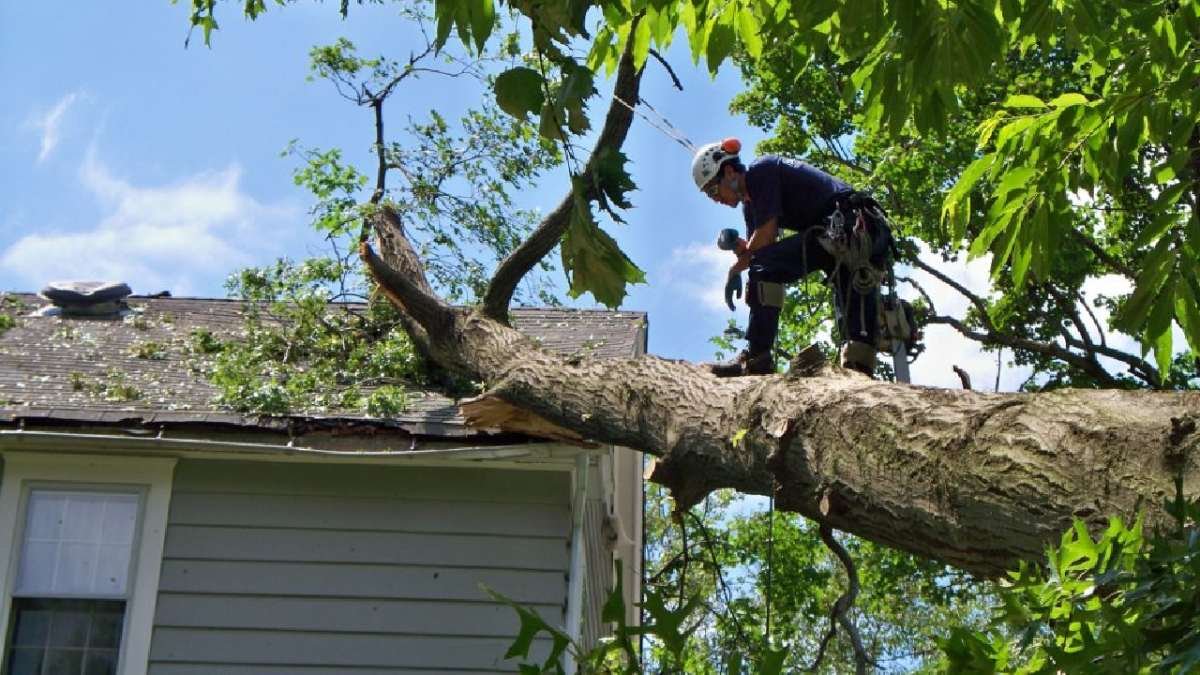
Strong winds, lightning, and heavy snow can cause hidden structural damage even if the tree remains standing. Broken limbs, split trunks, and partially uprooted trees should be inspected immediately after severe weather.
7. Dead or Missing Bark
Healthy trees naturally shed small amounts of bark, but large sections of peeling or missing bark may indicate disease or internal decline. Combined with other symptoms, this can suggest the tree is no longer healthy.
8. Root Problems
Roots provide the foundation for every tree. Exposed roots, raised soil, or visible root decay can reduce stability and increase the likelihood of the tree falling unexpectedly.
9. Insect Infestations
Wood-boring insects, carpenter ants, and termites are often attracted to weakened or dying trees. Extensive insect activity can accelerate decay and further weaken the tree’s structure.
10. The Tree Is Completely Dead
A tree with no leaves during the growing season, brittle branches, and extensive bark loss has likely reached the end of its life. Dead trees should be removed promptly before they become a serious safety hazard.
Why Professional Evaluation Is Important
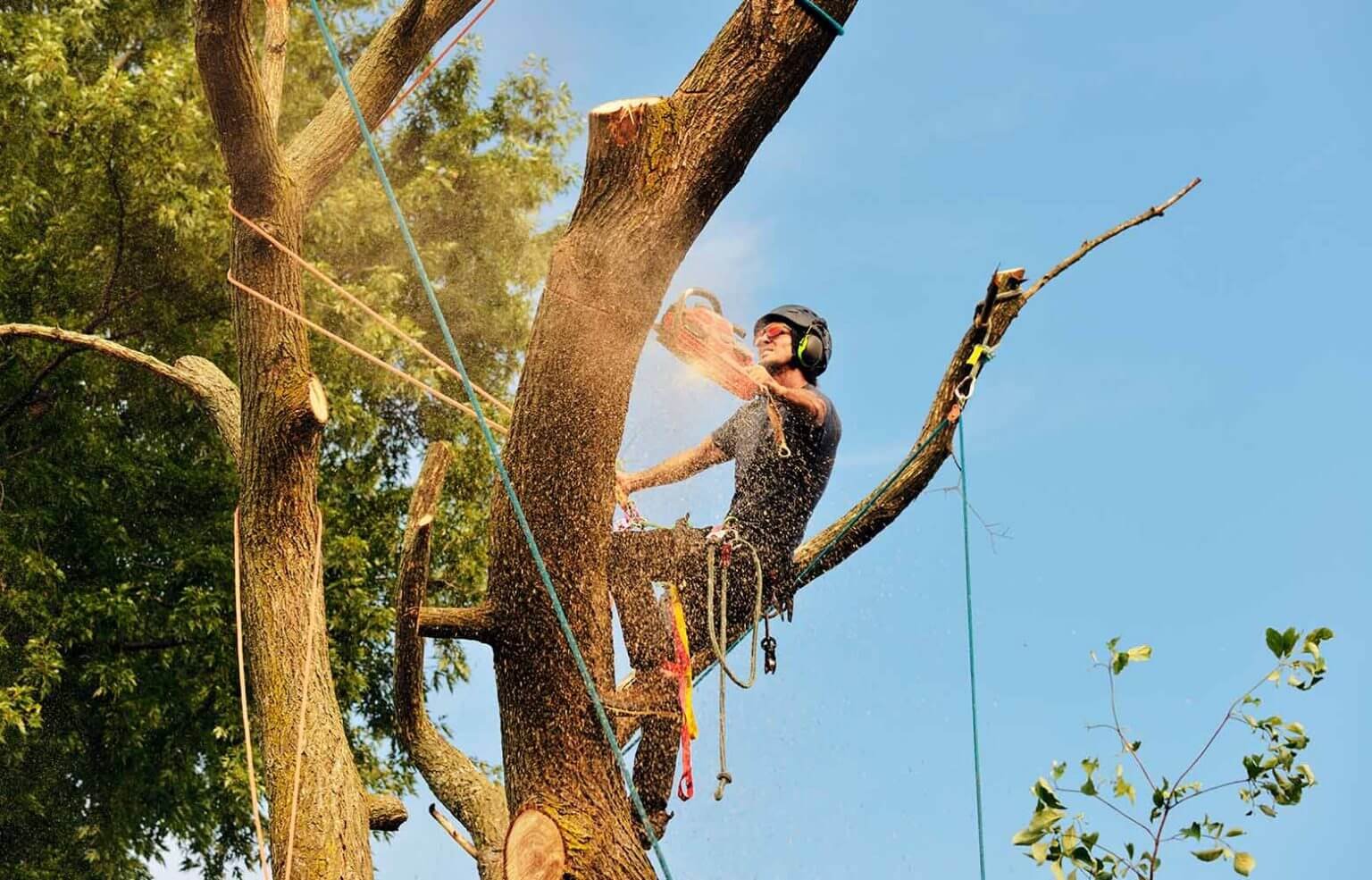
Not every damaged tree requires removal. In some cases, professional pruning, disease treatment, or structural support can restore the tree’s health. Experienced tree care specialists can determine whether a tree can be safely preserved or if removal is the best option.
A professional assessment helps protect nearby structures, improve landscape safety, and prevent unnecessary tree loss.
Benefits of Removing Hazardous Trees
- Protects homes and vehicles
- Prevents injuries from falling branches
- Reduces storm-related risks
- Stops the spread of disease
- Improves curb appeal
- Creates more usable outdoor space
- Protects nearby healthy trees
Conclusion
Ignoring the warning signs of a hazardous tree can lead to expensive repairs and dangerous situations. Leaning trunks, dead branches, deep cracks, root problems, and storm damage should always be taken seriously. Scheduling a professional tree inspection at the first sign of trouble can help you make informed decisions, protect your property, and maintain a safe, healthy landscape for years to come.