Receiving a tree removal quote and experiencing a sinking feeling in your stomach? You’re not alone; tree removal in NYC can cost a lot more than the national average for a variety of reasons: limited lot access, permitting needs and simply the challenge of removing a large tree safely in a densely populated urban area. That sticker shock results in many homeowners taking the risks of delay, trusting an unlicensed crew posted on a flyer, or trying to do it on their own. Long-term costs are likely to be much greater with all three choices, either in property damage, injury or when the tree finally snaps on a timely occasion. The bright side is that low cost tree removal doesn’t have to imply cutting corners. It is knowing what makes the price go up and what represents real savings and what is a real risk in cutting costs.
Understand What You’re Actually Paying For
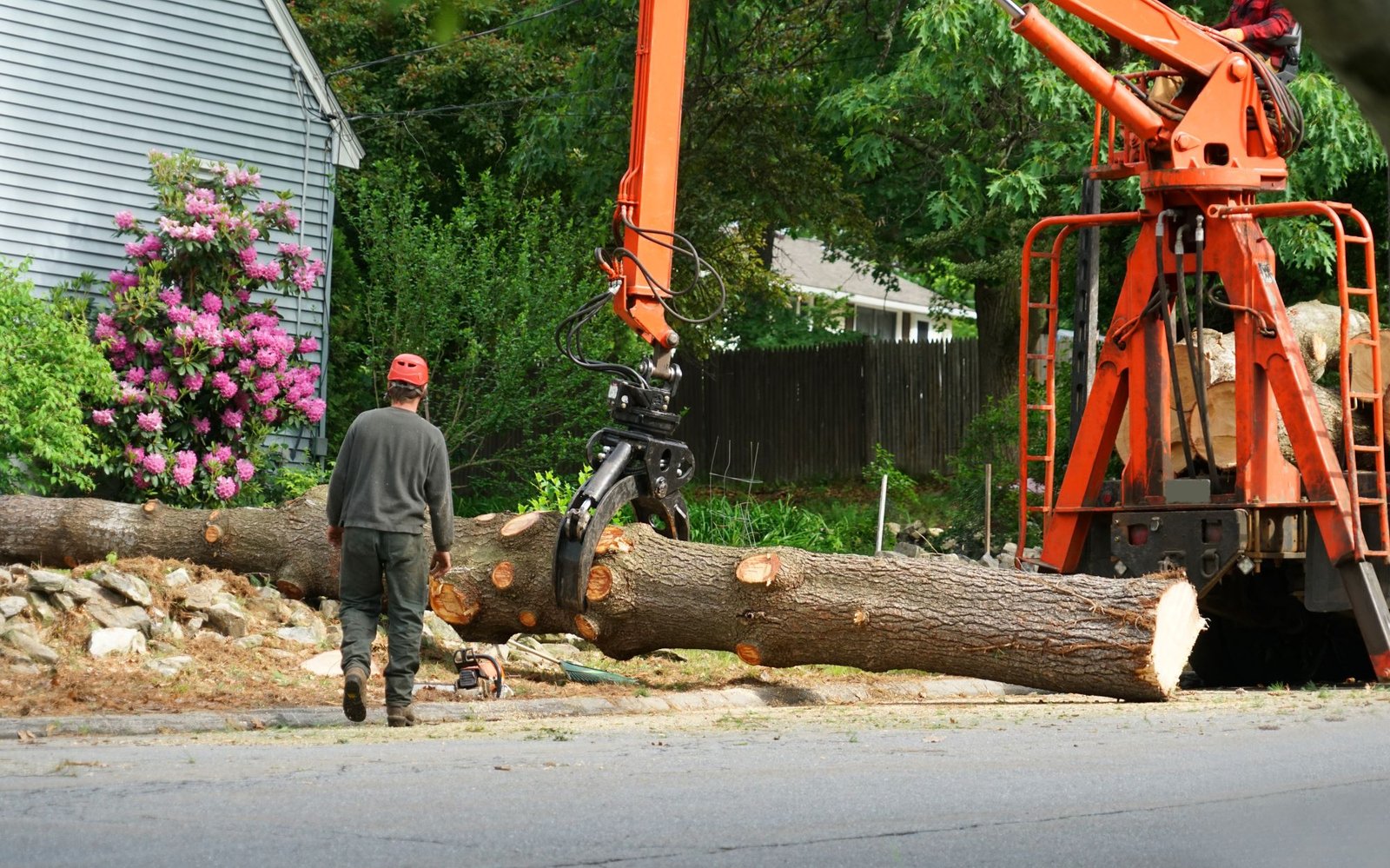
There’s not some random figure for the price of tree removal. It is a reflection of tree size, trunk diameter, canopy spread, proximity to structures or power lines, accessibility for equipment and removal method required. A 30-foot tree in an open backyard with truck access will run a fraction of the cost of a 60-foot tree that is stuck between two brownstones and is over a power line. Knowing this breakdown allows you to compare quotes smartly, and avoid just accepting the lowest number, this will be the first tip-off of corners being cut along the way.
Get Multiple Written Estimates
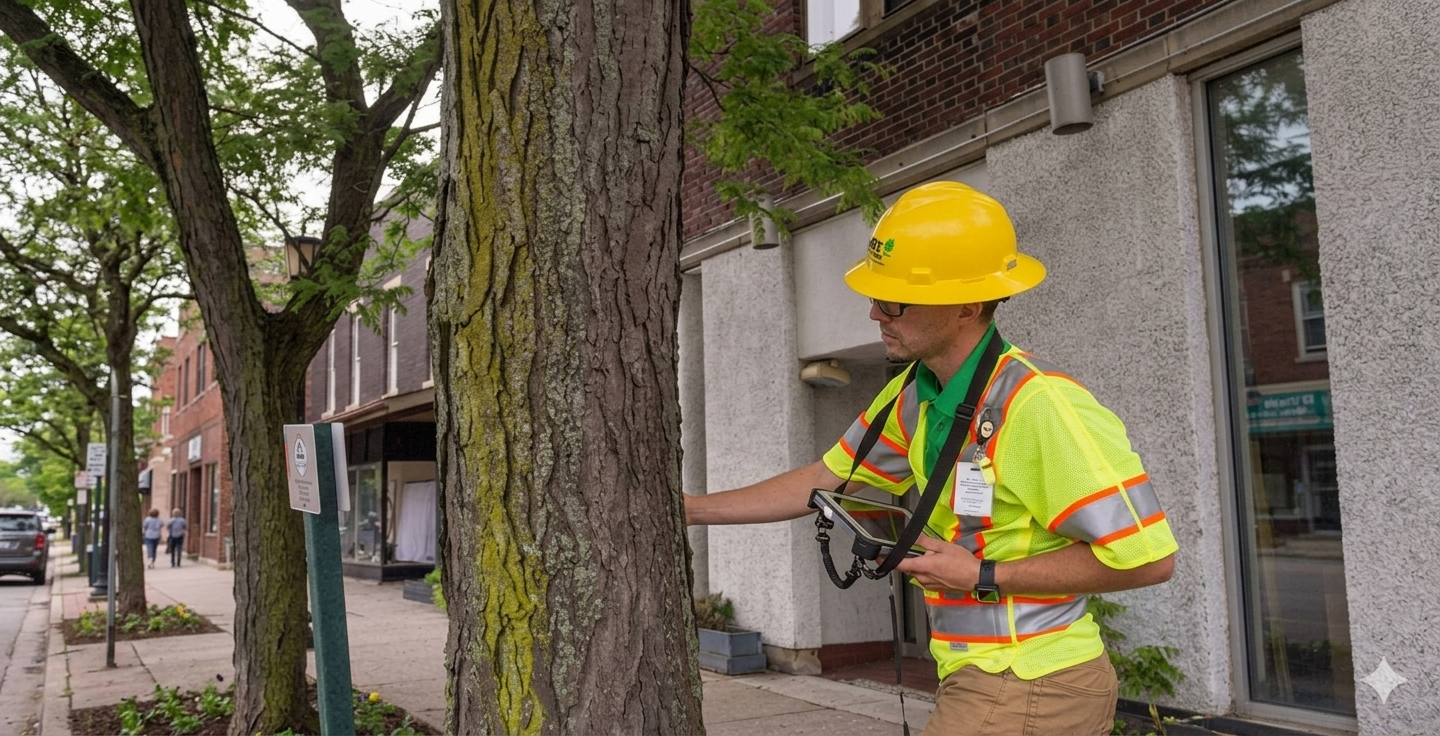
The best and most sure method to avoid making an overpayment is to obtain a number of estimates from licensed and insured businesses. The price for the same work can differ by hundreds or thousands of dollars from one contractor to another and a written quote can give a good idea of how much each contractor is including, sometimes these costs include stump grinding, debris removal, cleanup and permit fees, and sometimes they’re not. A good company will be able to look at the property with the tree and give a price rather than just giving a price over the telephone. Exercise caution about any “estimate” that comes in suspiciously quickly without a site visit as it will depend on a proper evaluation of the trunk diameter, canopy density and access to the site.
Time the Job Strategically
Tree service cost in NYC is significantly affected by seasonal demand. Demand is highest in spring and early summer when storm damage from winter weather and new growth uncovering structural issues both contribute to the surge in demand. But if the removal isn’t an emergency, scheduling it for the fall or winter off season when crews have more time, could provide you with a noticeably smaller quote. The exception is truly dangerous trees; a tree that appears to be about to fall shouldn’t wait for a “saver” season, because the cost of damage from a falling branch or a tree is much higher than the price cut of any season.
Combine Services When Possible
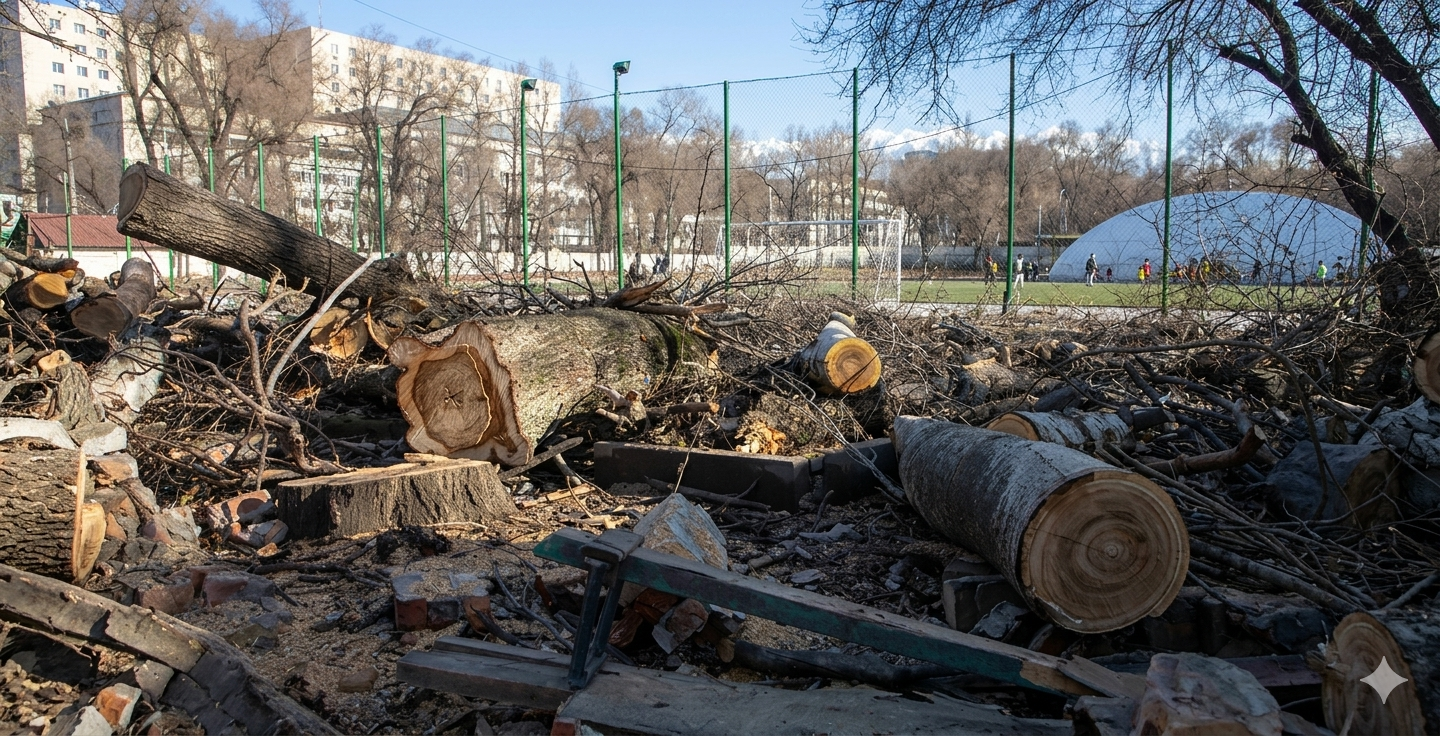
Combining other services such as pruning or debris removal with the removal of the tree on the same property often helps to reduce costs, and for properties with more than one tree in need, multiple trees can be bundled together to one visit. One of the fixed costs that is always built into every job is mobilization setting up the crew, chipper, and heavy equipment at your location and the more tasks we can complete within that mobilization the less expensive the task becomes. This is particularly important to discuss with a contractor if you are aware of several of the trees on your property are nearing the end of their healthy life.
Check for Permit and Insurance Requirements Upfront
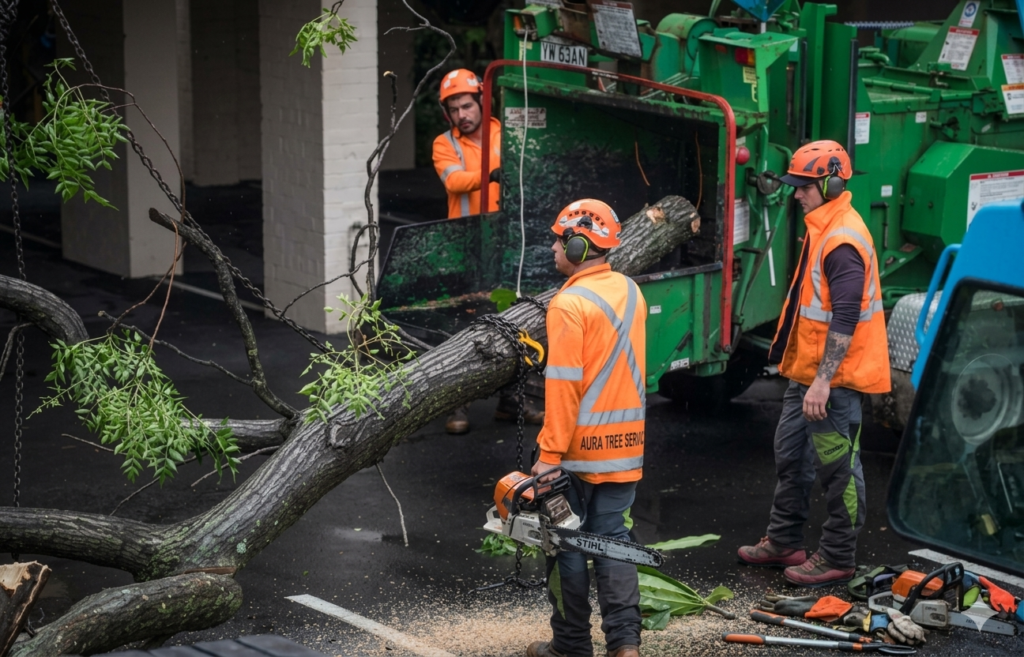
NYC also has regulations about removing some trees, such as street trees and those of a certain diameter, so before work is started, it may be necessary to get a permit from NYC Parks Department. Even if a business decides to save money or time by skipping this step, the resulting fines will likely be far more than any money saved. Likewise, always check if a company is properly insured with liability insurance and workers’ compensation coverage. A crew that is not insured may be able to give you a lower quote, but if a limb breaks a fence, or an employee is injured on your property, you could be liable for damages that an insurance company would have covered for a legitimate company.
Don’t Skip the Tree Risk Assessment
Although it sounds counterintuitive, paying for a risk assessment prior to deciding to go ahead with complete removal may actually save money. Not all trees that are declining need to be immediately and completely removed; in some instances, a certified arborist may determine that selective pruning, cabling or treating a localized decay area is the best solution to the safety issue without the expense of removal and stump grinding. Especially not doing this assessment and moving to the most expensive service means you are likely destroying a tree that may have been salvageable with less invasive and costly work.
Be Cautious With DIY and Unlicensed Labor
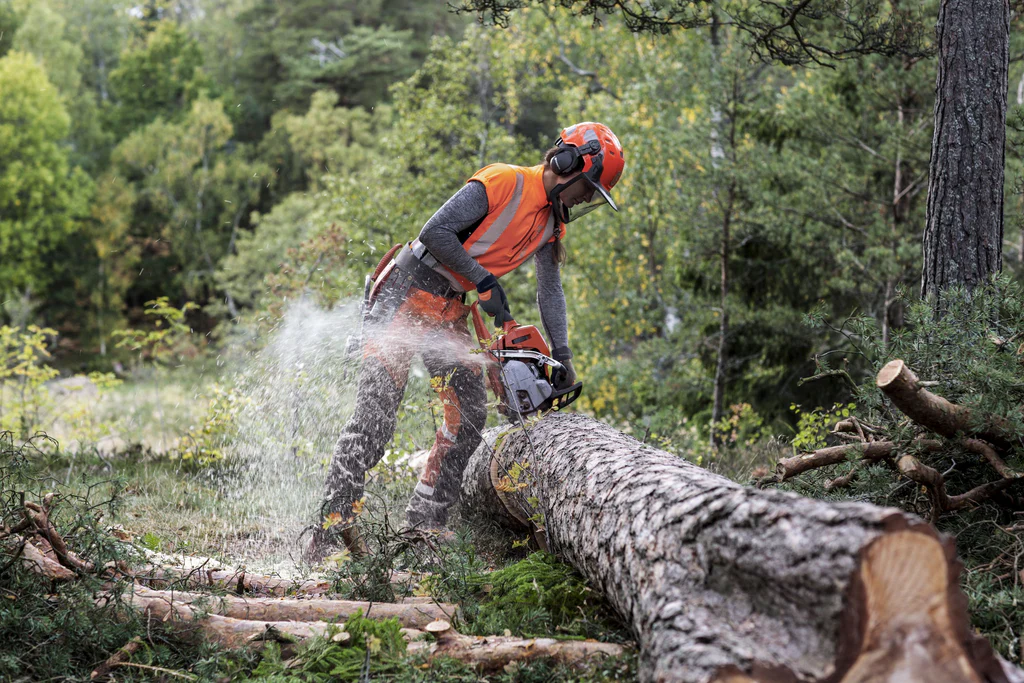
For smaller trees, it may be tempting to save money by hiring an unlicensed crew or you may try to remove it yourself. Tree removal is a real risk, however: falling trees, falling limbs, and the chance of a tree falling in an unexpected direction on a building, vehicle or power line. Unlicensed operators may not have the proper insurance, which means that any damage is the homeowner’s responsibility. Without the rigging equipment and training of professionals, DIY removal is even more hazardous, and tree work injuries are among the more serious types of accidents in the home-improvement arena. It is often a false economy to hire an inexperienced person to do the job, as the initial cost is far outweighed by the likely expense of a botched job – especially in an urban area where there is limited space in which a tree can fall safely.
Ask About Wood and Debris Handling
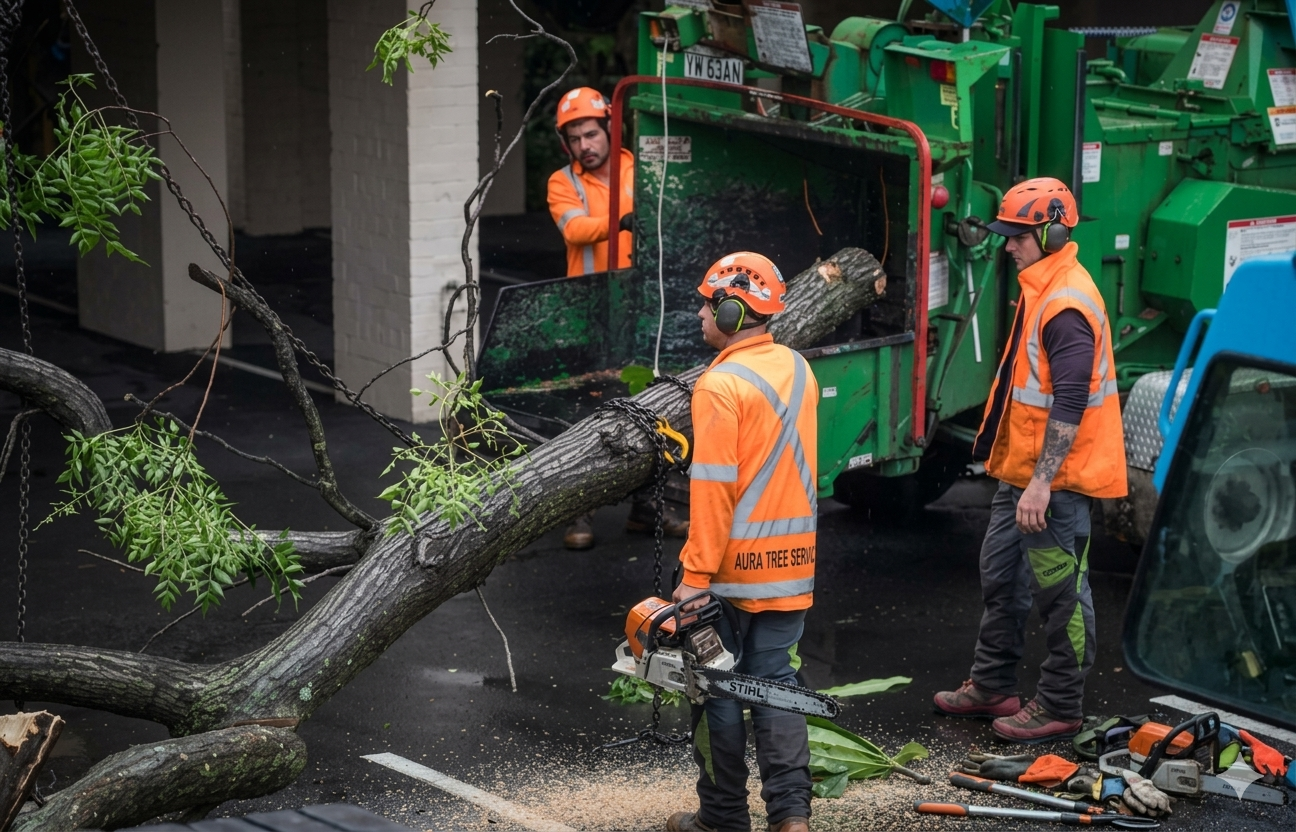
If you are willing to pick up the trash yourself or if you let the company use the wood for firewood or mulch instead of taking it off as trash, they may offer a lower price. Not all contractors can do this, but if you have a large tree that produces a lot of wood, it is good to ask if the contractor is able to do this. In the same way, some homeowners find it convenient to save some money by cutting large pieces of trunk and leaving them on the ground and not paying for the entire removal and disposal, but only if they are able to use the wood or can store it.
Prioritize Experience Over the Lowest Bid
The cheapest quote isn’t always the best value. Certified arborists and experienced crews work more efficiently, have the proper rigging and equipment to avoid high costs to fix damaged property, and will not leave a job half done or poorly done. While the lowest price from a company can sometimes be tempting, a slightly higher quote from a company that has strong reviews, appropriate licensing and proven experience may offer greater long term value, especially when removing large and/or complex trees close to buildings or services.
Balancing Cost and Safety
But the idea is not to pick what is the least expensive that is available, but how to appreciate where the real saving is and where cost reduction becomes a real risk. Shop around for rates, schedule non-urgent jobs strategically, combine services, and verify licenses and insurance these are all legitimate ways of reducing costs without sacrificing quality or safety of the job. But you should never compromise the quality of the crew performing the work or the insurance coverage, and you should always do a risk assessment before determining the scope of work.
NYC Discount Tree Experts provides clear, honest pricing without compromising safety measures; their knowledgeable crews deliver consistent estimates and work efficiently, ensuring the job is done right the first time.